
The Power of Light in Interiors
Lighting shapes mood, highlights architecture, and transforms rooms through layers of natural light, task lighting, and warm atmospheric accents.

Elias Rowan
Light Defines the Room
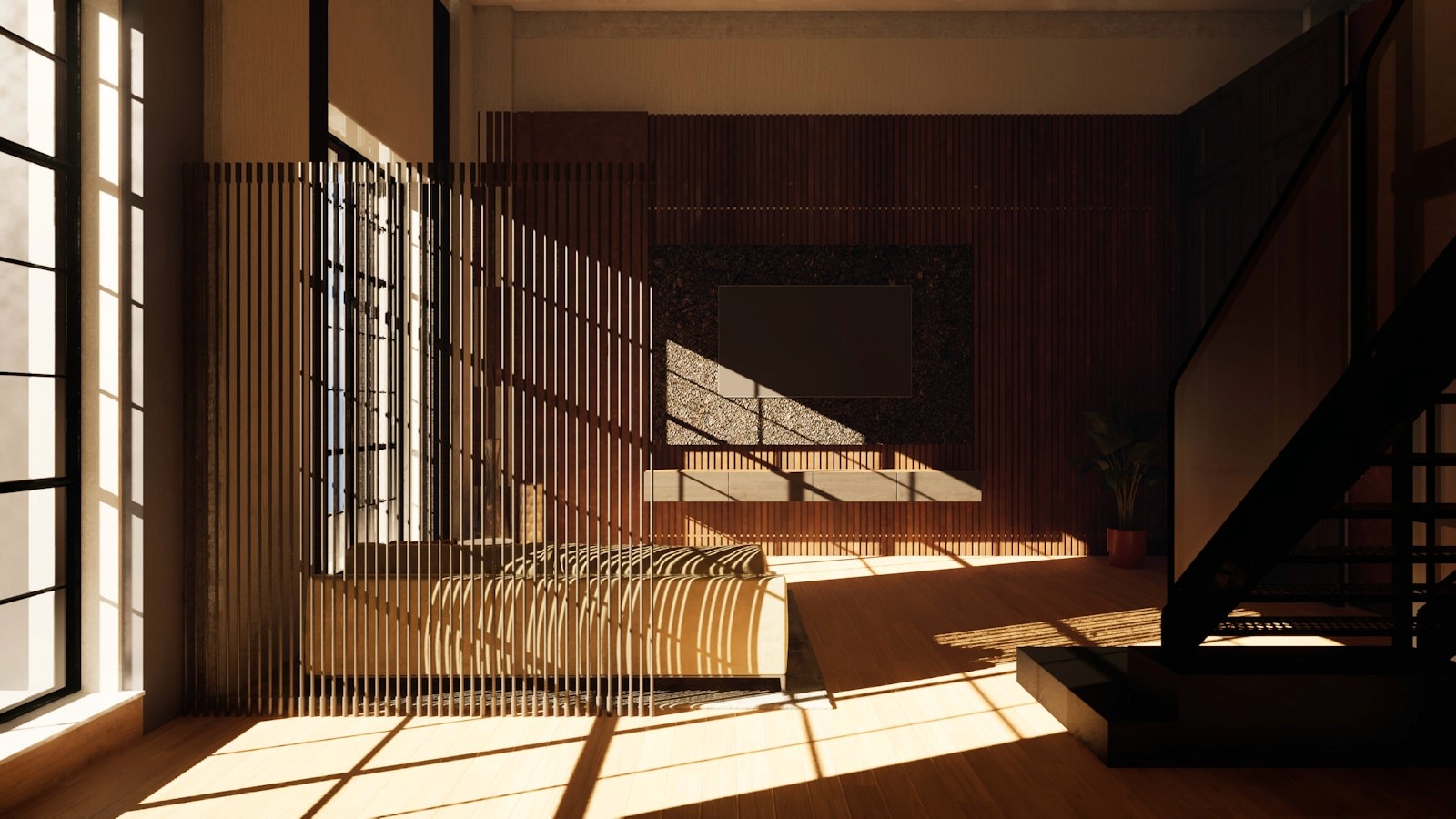
Lighting is one of the most powerful elements in interior design, yet it is often treated as a final decision. In reality, light determines how color, texture, volume, and mood are experienced. A beautiful room can feel flat without the right illumination.
Layer Light for Flexibility
Every room benefits from three layers: ambient light for general brightness, task light for specific activities, and accent light for atmosphere. When these layers work together, a space can move from practical morning routine to intimate evening setting without changing the furniture.
Temperature Changes Emotion
Warm light flatters living rooms, bedrooms, and dining spaces because it softens edges and encourages relaxation. Cooler light can support kitchens, studios, and work areas where clarity matters. The most comfortable homes use both intentionally.
Make Fixtures Part of the Story
A pendant, sconce, or floor lamp should contribute to the design even when switched off. Shape, finish, proportion, and placement all matter. Thoughtful lighting is not only functional; it is architectural punctuation.

Interested In Our Work?


Our clients seek thoughtful, innovative, and sustainable design for lasting impact.