
How Hues Transform Your Living Space
Explore how warm neutrals, deep greens, terracotta, and accent tones influence mood, perception, and the emotional rhythm of a room.

Clara Venn
Color Is an Emotional Architecture
Color changes how a room feels before a single piece of furniture is noticed. Warm tones can make a space feel intimate and grounded. Cool tones can calm the nervous system and visually expand a room. The best palettes are not chosen only because they look beautiful; they support how the room is meant to be experienced.
Start With the Dominant Mood
Every successful palette begins with one dominant emotional note. A soft clay wall can make a dining room feel convivial. A muted sage can give a bedroom a restorative quality. A warm white can provide clarity without feeling sterile. Once the dominant mood is set, every secondary color should reinforce it.
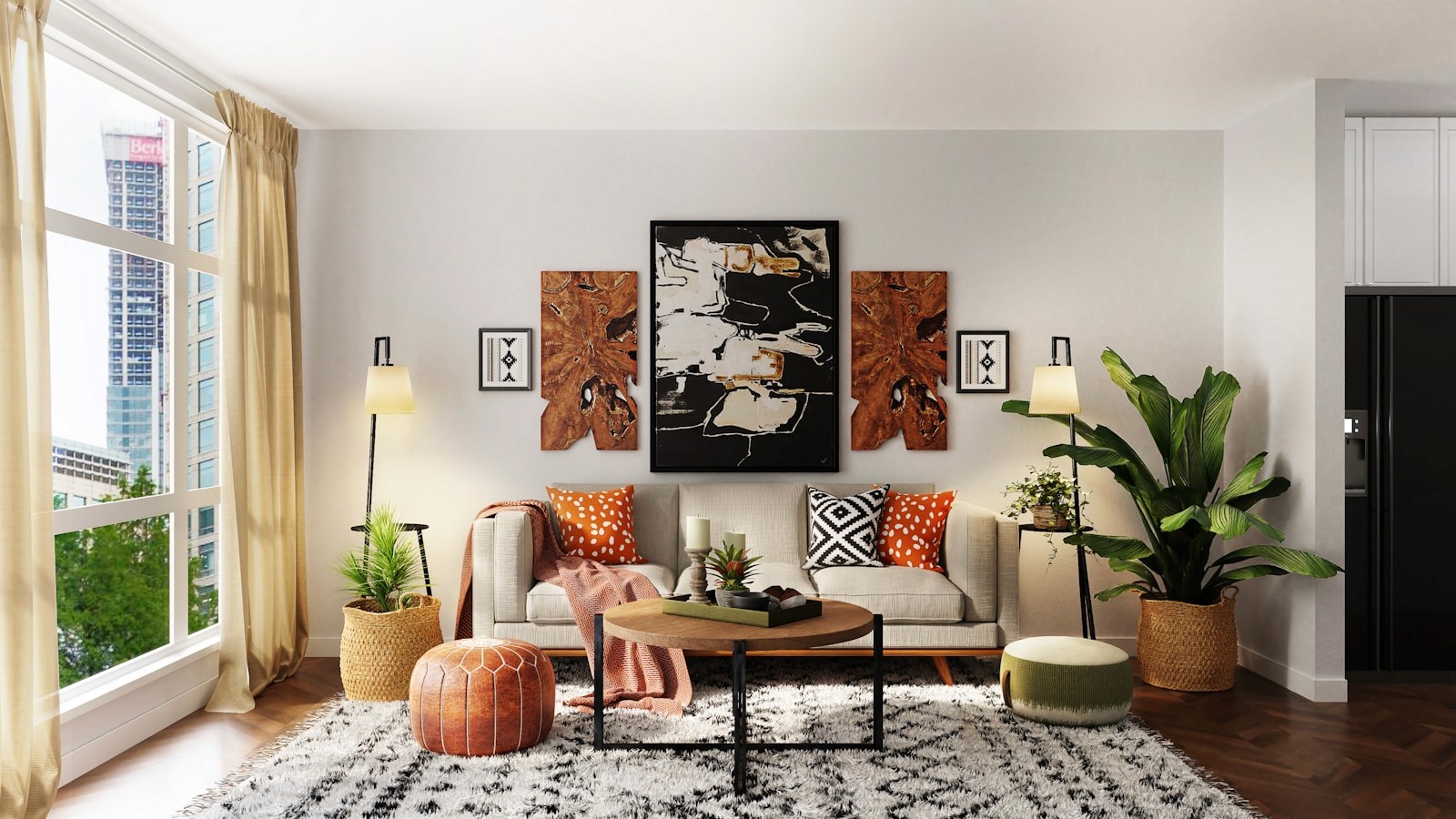
Use Contrast With Restraint
Accent colors work best when they appear with purpose. A deep olive pillow, a rust-toned ottoman, or a blackened bronze fixture can bring depth without overwhelming the room. Too many accents compete; a few repeated accents create rhythm.
Let Materials Carry Color
Natural materials often provide the most sophisticated color palette. Oak, stone, leather, plaster, wool, and linen bring subtle tonal variation that paint alone cannot achieve. A room feels richer when color comes from surfaces that have texture, shadow, and age.

Interested In Our Work?


Our clients seek thoughtful, innovative, and sustainable design for lasting impact.